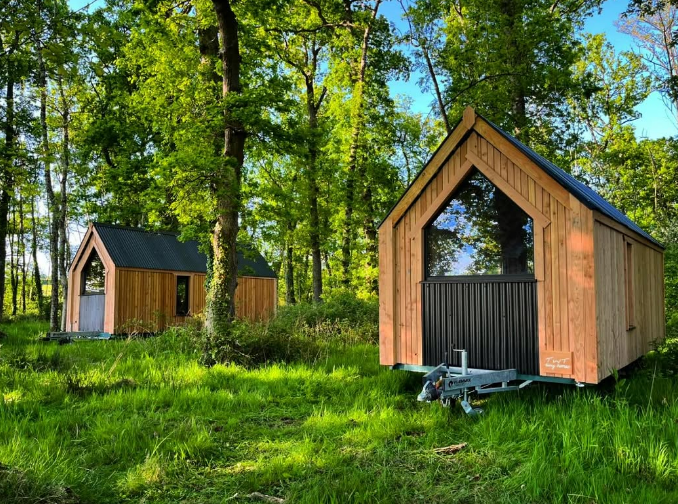


Twt Tiny Homes, made in Wales, featured on Channel 4's Amazing Spaces.
Posted by Sarah, In collaboration with Henri and Lucy, the founders of Twt Tiny Builds. on 26th Jan 2026
For several years, we have supplied Henri, the founder of Twt Tiny Builds, with natural fibre Thermafleece Cosywool insulation, watching their business steadily expand. In July 2025, they unexpectedly contacted us to share exciting news: they had been chosen to showcase their business and process on George Clarke's Amazing Spaces, airing on Channel 4. This is fantastic news that highlights their excellent work and the growing demand for tiny homes. We are very proud that their homes are made here in Wales. We couldn’t wait to meet with them to discuss the process and their excitement about the program.
What is a Tiny Home?
A tiny home is a deliberately small, thoughtfully designed house that provides everything needed for day-to-day living. Rather than being about sacrifice, tiny homes are about using space more intelligently and living with greater intention.
Despite their size, tiny homes typically include everything required for everyday living: a kitchen, bathroom, sleeping area, and a comfortable place to relax or work. Clever layouts, built-in storage, and multi-use spaces mean nothing is wasted, neither space nor resources.
For many people, tiny homes are less about “downsizing” and more about right-sizing. Smaller homes naturally use fewer materials to build, less energy to heat, and encourage more mindful living. In a time of rising housing costs, climate concerns, and pressure on land, tiny homes offer a practical alternative to the idea that bigger is always better. With less space to fill, owners often prioritise quality over quantity.
In the UK, tiny homes take several forms. Some are built on wheels, similar in scale to a static caravan but designed for year-round living. Others are permanent, small-footprint buildings, sometimes used as primary homes, sometimes as garden dwellings or off-grid retreats. What they share is a commitment to simplicity, efficiency, and lower environmental impact.
At its heart, the tiny home movement isn’t about downsizing for the sake of it, it’s about rethinking what we actually need to live well, and discovering that, often, it’s less than we think.
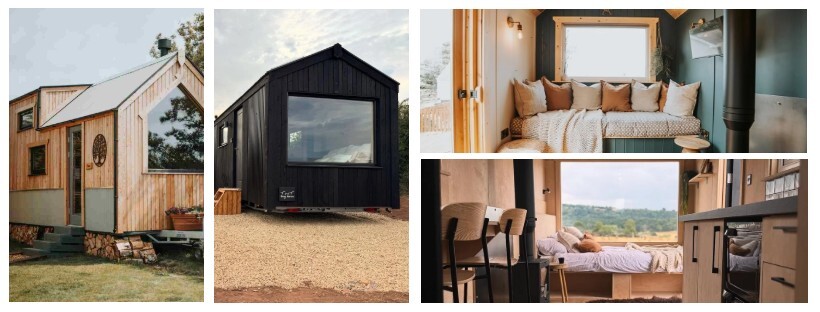
Now, let's look at where Twt Tiny Homes began.
After Henri and Lucy travelled to New Zealand and observed the abundance of tiny homes, they were inspired by the concept. With today’s housing crisis in mind, they believed it was a practical and sustainable way to live. They decided to build their own tiny home, and the positive response to their first project was a testament to their skill. Soon, they received numerous requests, leading them to sell that initial build, construct another, and grow the business organically.
Now, with a small team of talented individuals who share the same vision, they have brought the dream of Twt Tiny Home to life.
What made you look for an alternative insulation, such as sheep's wool?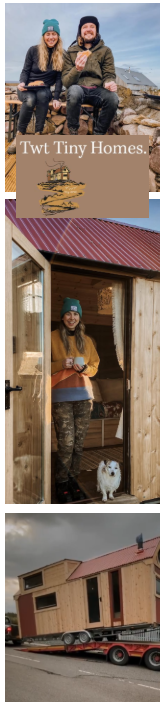
We have always been very sustainability minded. Personally, I have long chosen to wear wool and other organic, natural textiles, and this mindset naturally extended into the materials we use for building. This approach applies not only to our own homes, but also to the homes we build for our customers. We are committed to using non-toxic, natural materials wherever possible, without compromising on quality or performance.
How was your experience with Cosywool sheep's wool insulation?
From the first day of using CosyWool, we've been fans. It’s easy to work with, budget-friendly, and meets our needs exactly.
Is it easy to install? Do you have any tips for our readers?
As mentioned earlier, installation is straightforward. When constructing a tiny home, we suggest fitting the ceiling internally first, then installing the insulation from the outside before adding the roof. This method is much simpler than trying to install insulation after the roof has been installed.
How did you become involved with Channel 4's Amazing Spaces with George Clarke?
One day, a production team contacted us after discovering our tiny builds online and being impressed with our techniques. At that moment, we already had several clients scheduled, and one of them was suitable for the show. It was quite a surprise! The process was somewhat hectic as we tried to fit it into our busy schedule, but after some late nights, we managed to finish it. By the end, we felt proud to have completed it on time.
What type of preparation is required before filming?
The main challenge was that filming had to be carried out in stages. Over roughly two months, the crew visited at different times, requiring us to reach certain milestones, stop, and then wait for their return to continue. The most difficult aspect was organising and preparing everything effectively to keep the build moving forward smoothly despite the pauses.
How did you find Celtic Sustainables, and is building sustainably important to you?
Celtic Sustainables is a vital supplier for us. We've previously purchased a variety of products from them, such as mineral fillers and other materials. They offer a diverse selection, are highly adaptable, and ensure dependable delivery. For us, building sustainably is crucial—not only to protect the environment but also to support the well-being of its inhabitants. We believe responsible alternatives eliminate the need for unnecessary waste. We consistently use non-toxic materials, including paints, and guarantee all boards are formaldehyde-free. Whenever feasible, we source and mill timber locally, striving to keep our materials made in Britain.
As always, we enjoy hearing from our customers who use our products. This time, it’s another Welsh business thriving, and we're excited to see it featured on Channel 4’s Amazing Spaces.
For more information about these incredible Bespoke Tiny Homes and Alternative Living Spaces:
- handcrafted in North Wales : https://www.twttinyhomes.com/
- Photos supplied by https://www.instagram.com/twt_tiny_homes/